.jpg)
The trek continues to
Houston
Space City — no zoning, no limits. The whole world in one place.
(2020 census)
US City
As the nation's fourth-largest city, Houston operates on a scale that can be hard to comprehend from the ground. It is an unapologetic, concrete patchwork bound together by looping freeways. Famously devoid of traditional zoning laws, it's a place where a towering glass high-rise can sit right next door to a decades-old dive bar or a tire shop. Driven by the energy sector, space exploration, and one of the busiest international ports on earth, Houston doesn't try to be a curated tourist destination—it's a working economic engine that happens to hide some of the most dynamic culture in the state.
The Architect of Texas
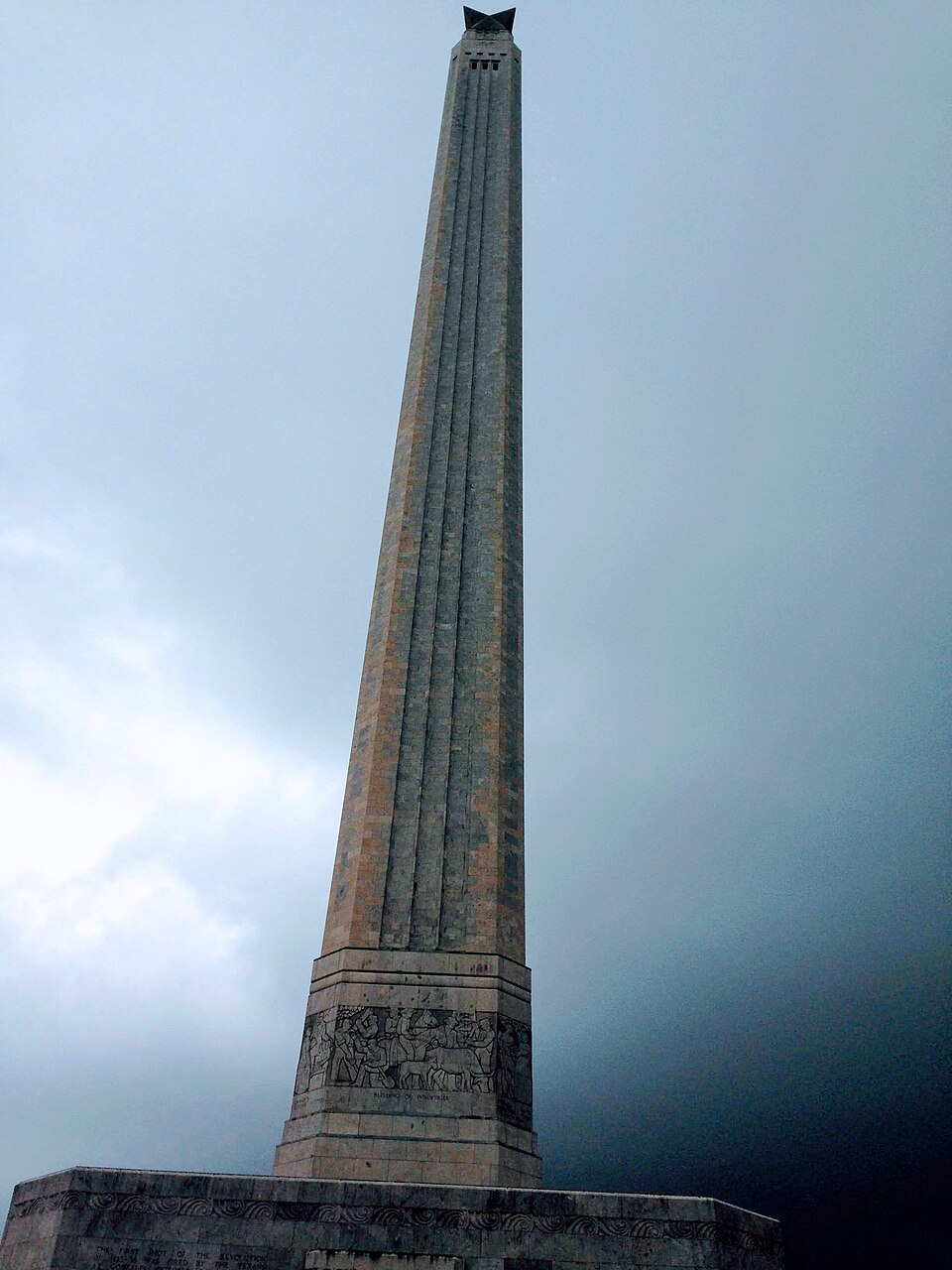
Sam Houston & The Republic
The city was founded in 1836 and named in honor of General Sam Houston, one of the most pivotal figures in American history. As commander-in-chief of the Texan army, he led the decisive victory at the Battle of San Jacinto, capturing Santa Anna and securing Texas's independence from Mexico. Houston went on to serve as both the first and third President of the Republic of Texas.
Today, the San Jacinto Monument—which stands taller than the Washington Monument—overlooks the historic battleground just east of the city, honoring the legendary victory that established Texas as an independent Republic in 1836. Plagued by mounting national debt and persistent military threats from Mexico, the Republic of Texas ultimately joined the United States in 1845 in pursuit of economic and military security.
The Port That Built the City
The Houston Ship Channel
Houston sits fifty miles inland, which ought to disqualify it as a seaport. It became one anyway, and the reason is a catastrophe: the 1900 Galveston hurricane killed thousands and wrecked the state's leading port in a single night. Texas concluded its shipping belonged somewhere a storm surge could not reach, dredged a channel up Buffalo Bayou, and in 1914 President Woodrow Wilson opened it from Washington by pressing a button wired to a cannon in Houston.
The gamble paid off past anyone's intention. Spindletop came in near Beaumont in 1901, the refineries followed the water, and a channel dug for cotton ended up carrying oil. The channel has been among the nation's busiest waterways for a century, and in 2024 the port moved 220 million short tons of foreign cargo — more that year than any other port in the United States. Several thousand energy companies are headquartered along it, which is what people mean when they call Houston the energy capital of the world.
You can see it from the water. Port Houston runs the M/V Sam Houston, a tour boat that has taken visitors up the channel since 1958 — ninety minutes past docks, tankers and container cranes. Reservations are required, and anyone eighteen or over needs photo ID to board.
The Final Frontier
.jpg)
Space Center Houston
You can't visit "Space City" without exploring the official visitor center of NASA Johnson Space Center. The NASA Tram Tour takes you behind the scenes to see historic Mission Control, astronaut training facilities, and the 36-story tall Saturn V rocket housed in George W.S. Abbey Rocket Park. You can even walk inside the Space Shuttle Independence replica.
The Texas Medical Center
The World's Largest Medical Complex
Chartered in 1945 on land the city sold for the purpose, the Texas Medical Center grew into the largest medical complex in the world: over 1,300 acres, more than fifty member institutions, upwards of 120,000 employees, and north of ten million patient visits a year. It exists because Houston decided, in the middle of the twentieth century, to become a place people came to be cured.
A good deal of modern heart surgery was worked out on this campus, and not always politely. Michael DeBakey performed the first successful coronary bypass here in 1964. Denton Cooley carried out the first heart transplant in the United States in 1968, and in April 1969 implanted the first artificial heart ever placed in a human being — a pump developed in DeBakey's lab on a federal research grant, and never approved for use in a person.
A resident from that lab carried the pumps out of the building the night before the operation. DeBakey flew to Washington the next morning knowing nothing about it and came home to find his prototype inside a patient. The resident was fired and left the country, Cooley resigned from Baylor College of Medicine rather than sign an agreement requiring university approval for human experiments, and the two surgeons — who worked a few hundred yards apart — did not speak for thirty-eight years. The heart is in the Smithsonian.
All of which is worth knowing rather than visiting. This is a working hospital campus with no visitor center — MD Anderson, Texas Children's and Houston Methodist sit within a few blocks of each other and turn up near the top of most rankings of American hospitals, but none of them is a sight. The part of this corner of Houston that genuinely wants your afternoon starts a few blocks north, where the medical center runs into Hermann Park and the Museum District.
Arts & Academics
.jpg)
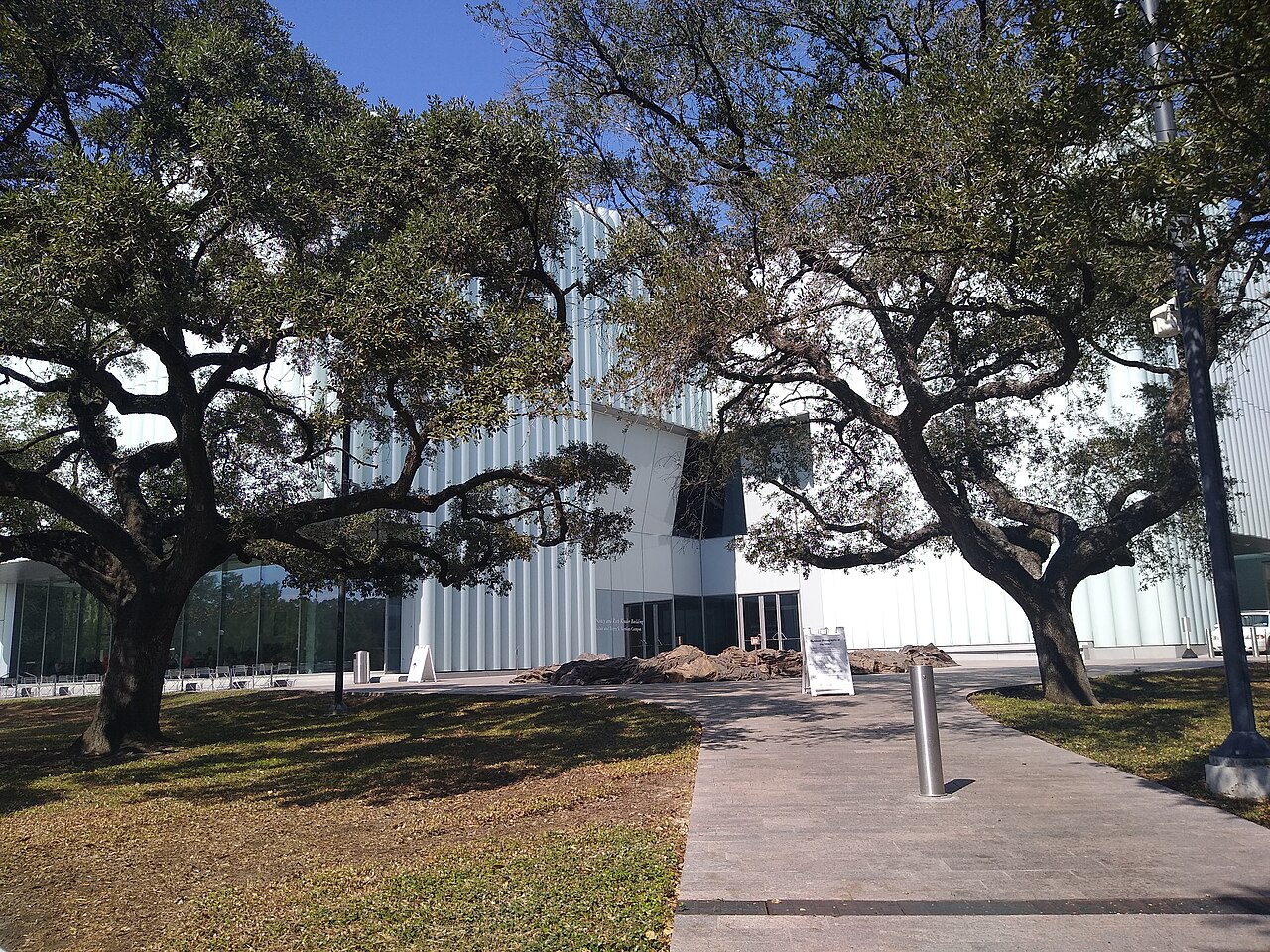
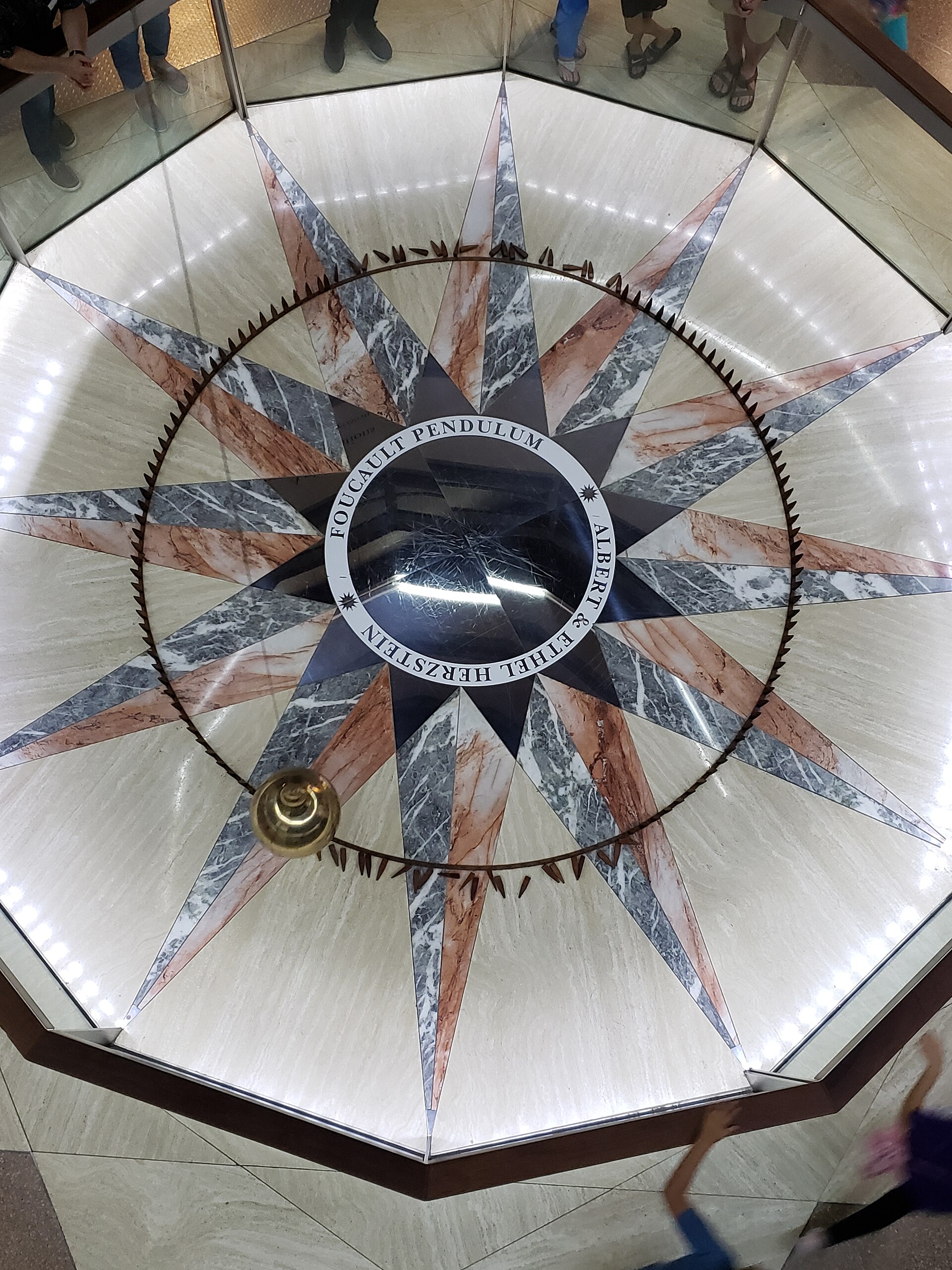
The Museum District
One of the top cultural centers in the United States, Houston's Museum District features 19 institutions clustered within walking distance. Highlights include the encyclopedic Museum of Fine Arts, Houston and the hugely popular Museum of Natural Science. The MFAH ranks among the largest art museums in the country, and the Natural Science museum's dinosaur hall and Cockrell Butterfly Center are perennial family favorites.
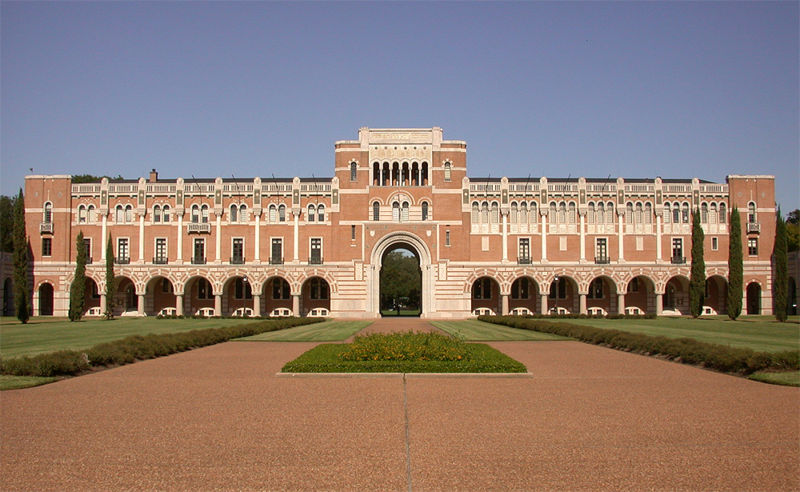
Rice University
Next to the museums lies the wooded campus of Rice University, all Mediterranean Revival arcades and old live oaks, and regularly named one of the most beautiful campuses in America. Time a visit for sunset and catch Twilight Epiphany, a James Turrell Skyspace opened in 2012 — the only two-story one he has built — where an LED sequence washes the ceiling and a square aperture frames the sky as it turns.
Green Spaces
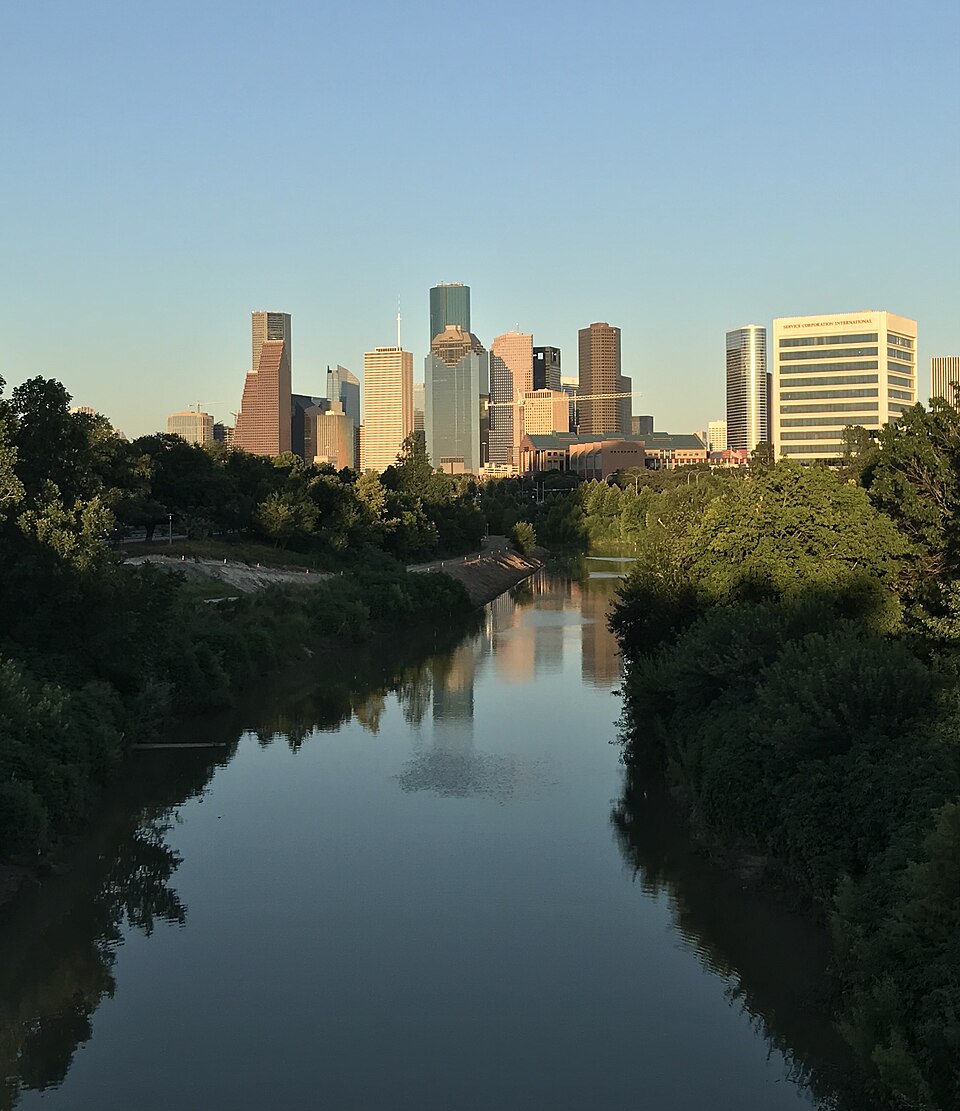
Buffalo Bayou Park
Buffalo Bayou Park runs 160 acres along the city's main waterway, hard up against downtown, with miles of hiking and biking trails and a skate park. Its strangest feature is underground. The Cistern was built in 1926 to hold fifteen million gallons of the city's drinking water, and was abandoned in 2007 when a leak proved unfixable. Restored and opened to the public in 2016, it is a shallow reflecting pool beneath 221 concrete columns twenty-five feet tall — a space so resonant that a struck note rings on for seventeen seconds.
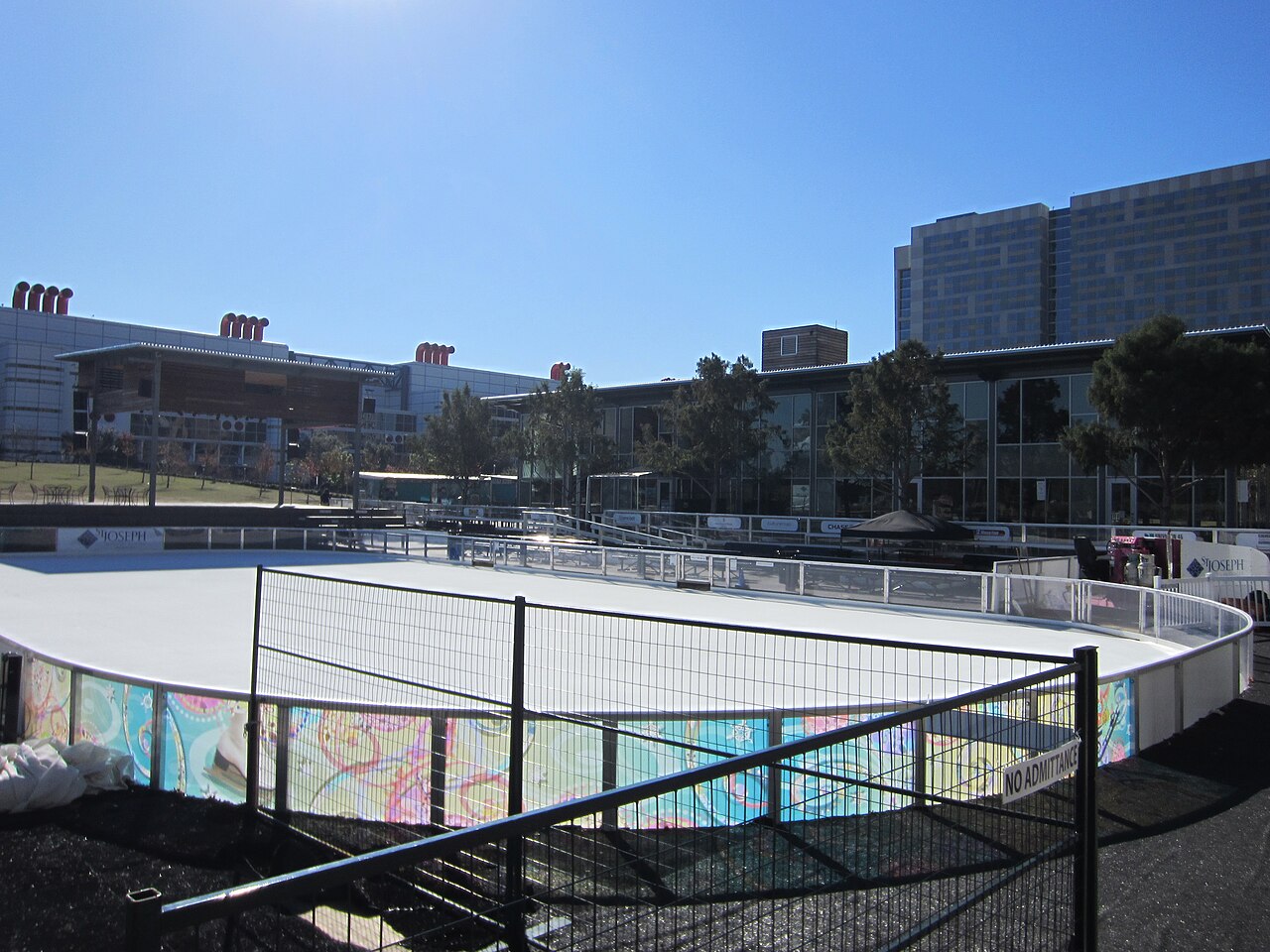
Discovery Green
Located in the heart of downtown, this 12-acre urban park completely transformed the city center when it opened in 2008. It serves as Houston's village green, hosting hundreds of free events each year, from outdoor movie screenings and concerts to a winter roller-skating rink.
Neighborhoods & Entertainment
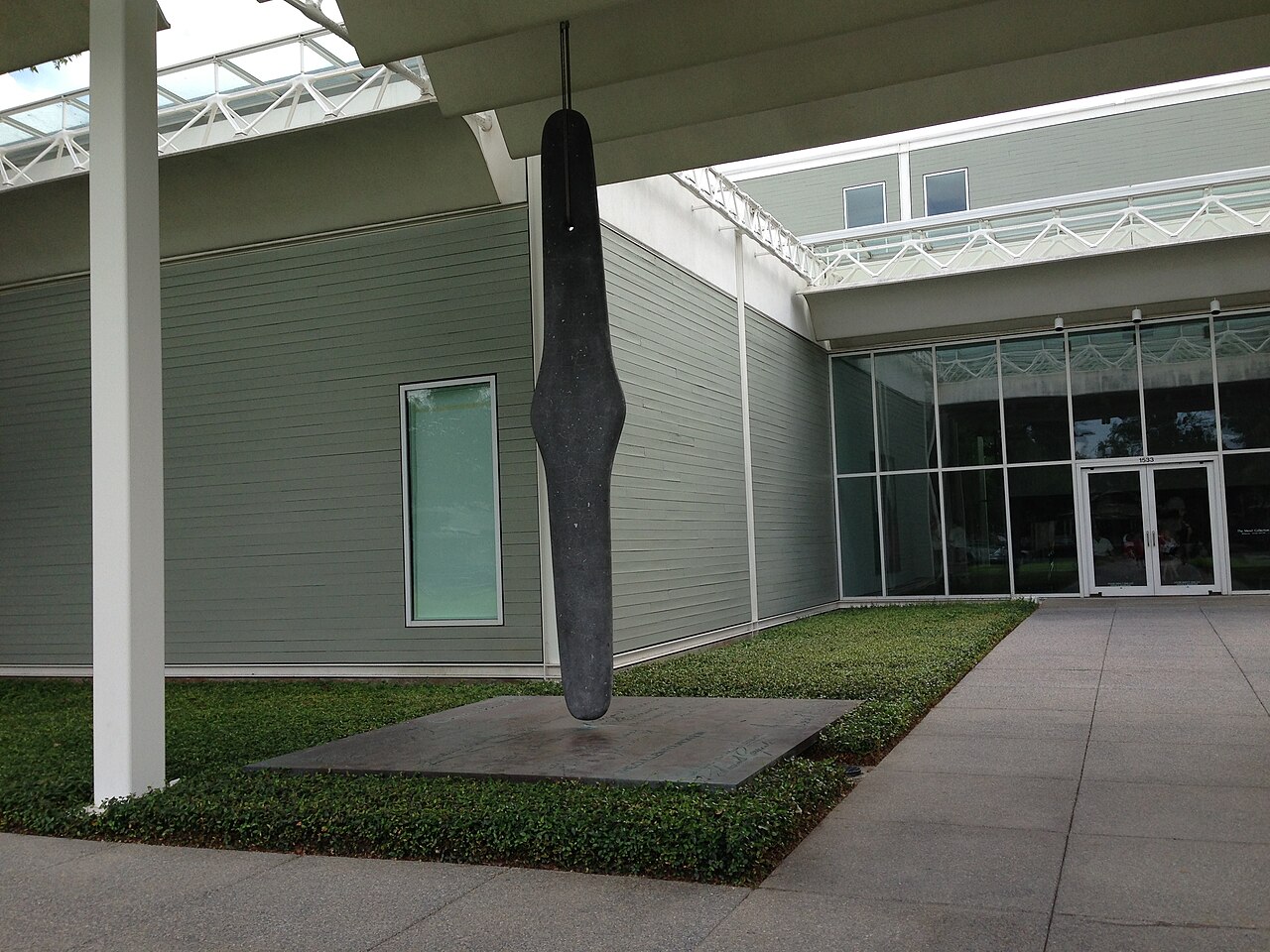
Montrose
The historic center of Houston's bohemian and LGBTQ+ communities. The tree-lined streets are packed with vintage shops, indie art galleries (including the famed Menil Collection), and some of the best coffee shops in the state.
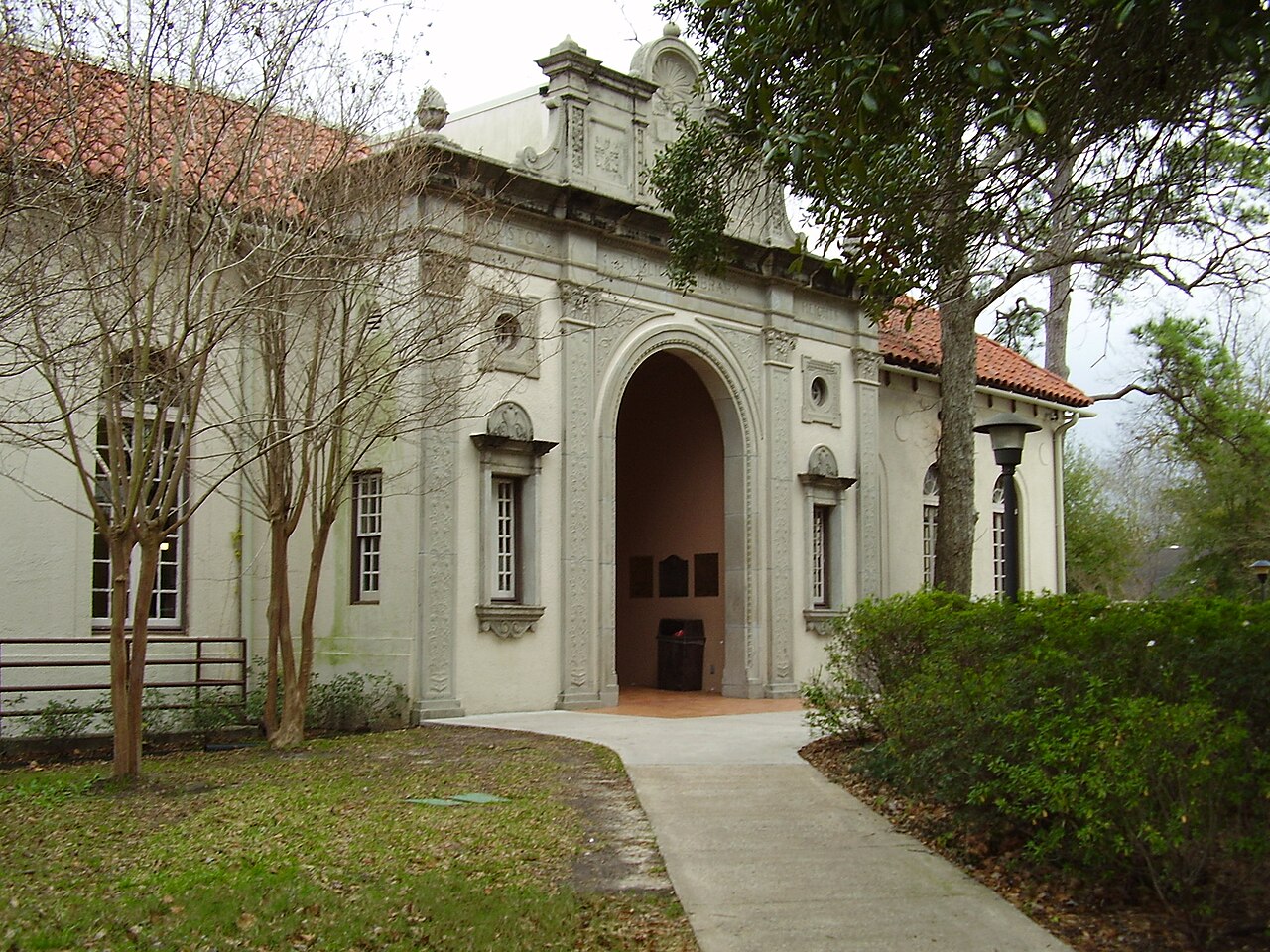
The Heights
Laid out in the 1890s, the Heights was one of Houston's first planned suburbs. The neighborhood is now a heavily canopied slice of historic Houston that has managed to survive the city's relentless drive towards modernization. Today, its beautifully preserved Victorian-era homes sit alongside the walkable 19th Street shopping district. Its outdoor icehouses and shaded patios keep a small-town rhythm ten minutes from the downtown skyline.
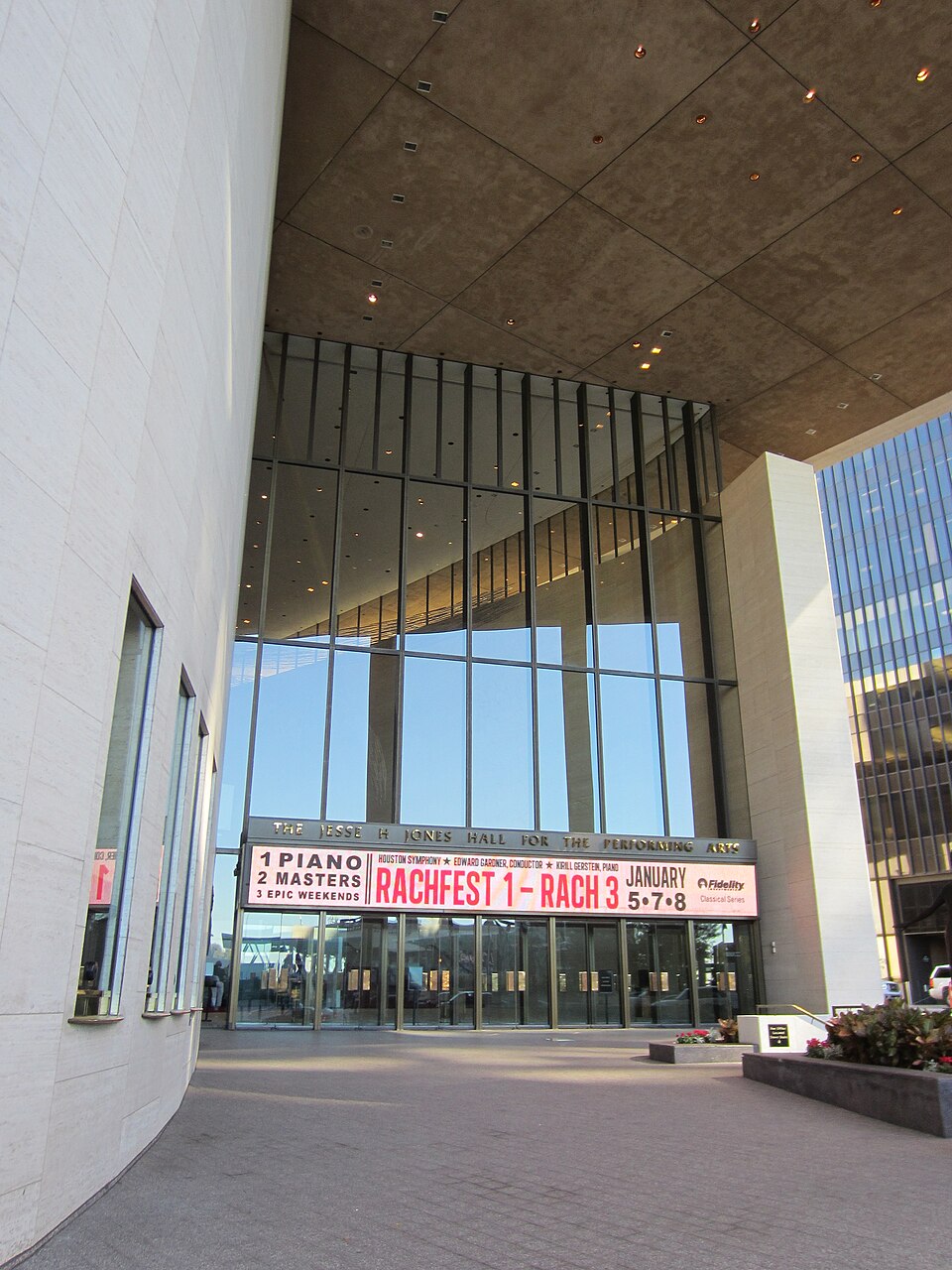
Theater District & The Tunnels
Downtown has the second-largest concentration of theater seats in the country, with resident ballet, opera and symphony companies. Beneath the streets lies the Downtown Tunnel System, a 6-mile (9.6 km) air-conditioned subterranean network connecting skyscrapers and retail shops—a vital pedestrian escape from the summer heat.
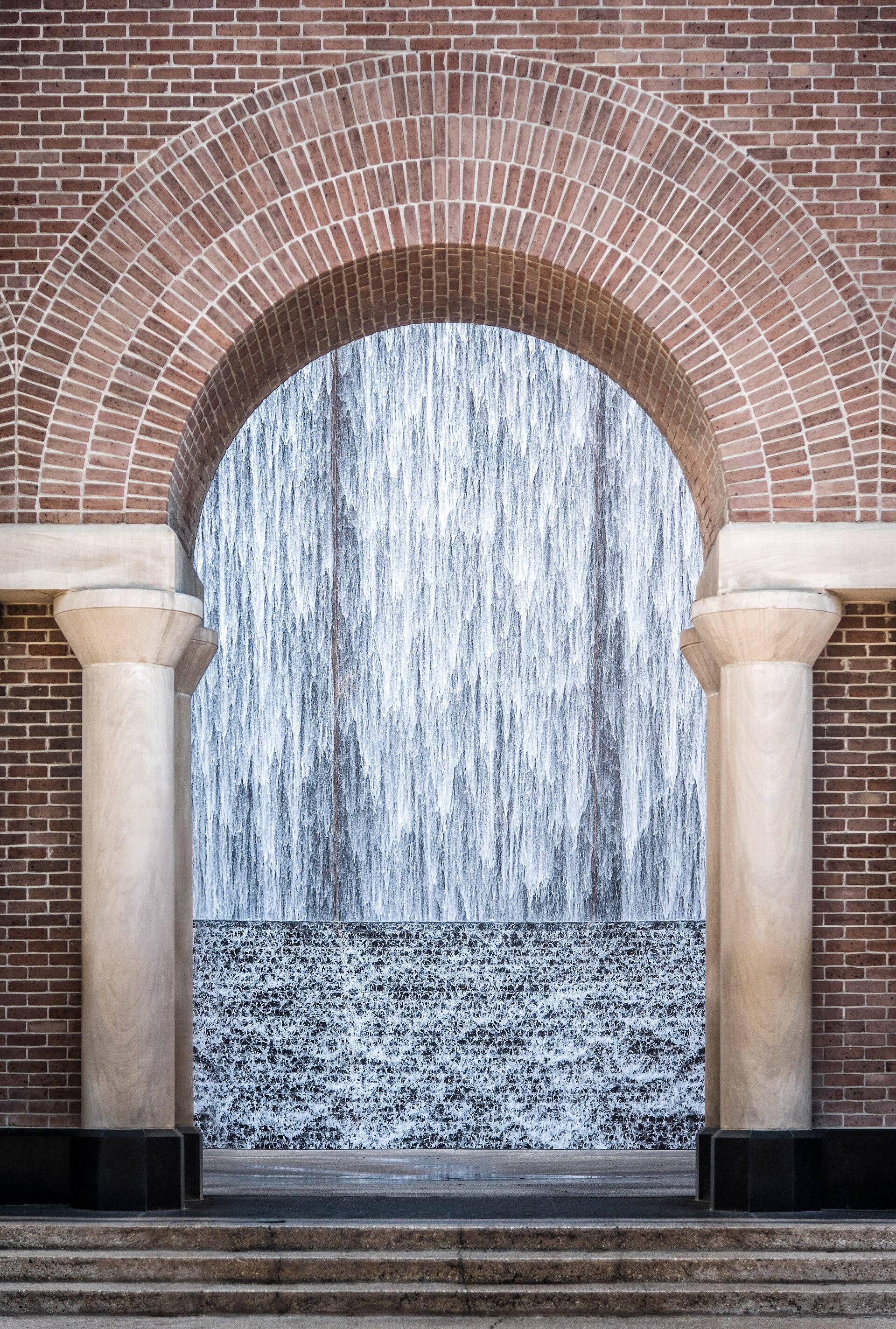
The Galleria & Uptown
In Uptown, The Galleria is the largest shopping mall in Texas, with an indoor ice rink and several hundred stores. A short walk away stands the Gerald D. Hines Waterwall Park, a 64-foot (20 m) semicircular fountain pouring 11,000 gallons a minute down its inner face.
Global Flavors & Texas Smoke
The Culinary Scene
Because Houston serves as an international port and a global hub for the energy industry, it has drawn one of the most diverse populations in the country — and its food is driven by the reality of the people who actually live and work there. There is no forced "fusion" here; there is just a brilliant, chaotic collision of neighborhood kitchens. Authentic Tex-Mex at institutions like The Original Ninfa's on Navigation and legendary Texas smoke at Truth BBQ exist side-by-side with high-end sushi at Kata Robata and celebrated Indian-Pakistani cuisine at Himalaya Restaurant.
But the city's true culinary signature is Viet-Cajun cuisine. Born from the Vietnamese community that settled along the Gulf Coast, this unique style marries the earthy spices of Louisiana Cajun boils with the bright, fresh flavors of Vietnamese cooking. A pound of Viet-Cajun crawfish—boiled with traditional spices and then tossed in a rich, garlicky citrus-butter sauce—is a quintessential Houston experience, best enjoyed at the restaurant that helped pioneer the style: Crawfish & Noodles.
A Sports Juggernaut
Astros, Texans, Rockets & Dynamo
Houston supports four major-league teams and is fiercely loyal to all of them. The Houston Astros play at Minute Maid Park right in the heart of downtown—famous for its retractable roof and the train that runs above left field after a home run.
In the fall, the cavernous NRG Stadium becomes the center of the universe for fans of the NFL's Houston Texans.
The Houston Rockets hold the city's other championship banners — back-to-back NBA titles in 1994 and 1995, both won behind Hakeem Olajuwon, the Hall of Fame center who dominated the league in both those seasons and took MVP honors in the first of them. They play downtown at the Toyota Center, the easiest of the city's big venues to reach on foot from a downtown hotel.
Soccer completes the set. The Houston Dynamo arrived in MLS in 2006 and won the Cup in each of their first two seasons. Their ground, Shell Energy Stadium, sits in EaDo within walking distance of the ballpark.
The Rodeo
Houston Livestock Show and Rodeo
For about three weeks every February and March, that same stadium hosts the largest livestock show and rodeo on earth. It drew a record 2,735,695 people in 2025 — nearly double the Calgary Stampede — and it has been running since 1932, when the first one drew about two thousand.
The nightly format is a rodeo followed by a stadium concert, which is how a livestock show ends up booking some of the biggest names in country and pop music. It is also a charity, and not a token one: the Show has committed more than $630 million to Texas youth and education since it began, and in one year alone handed out $10.5 million in scholarships.
Famous Natives
Houston has produced some of the world's most recognizable faces across entertainment, sports, and music, including:
If you've got a spare day
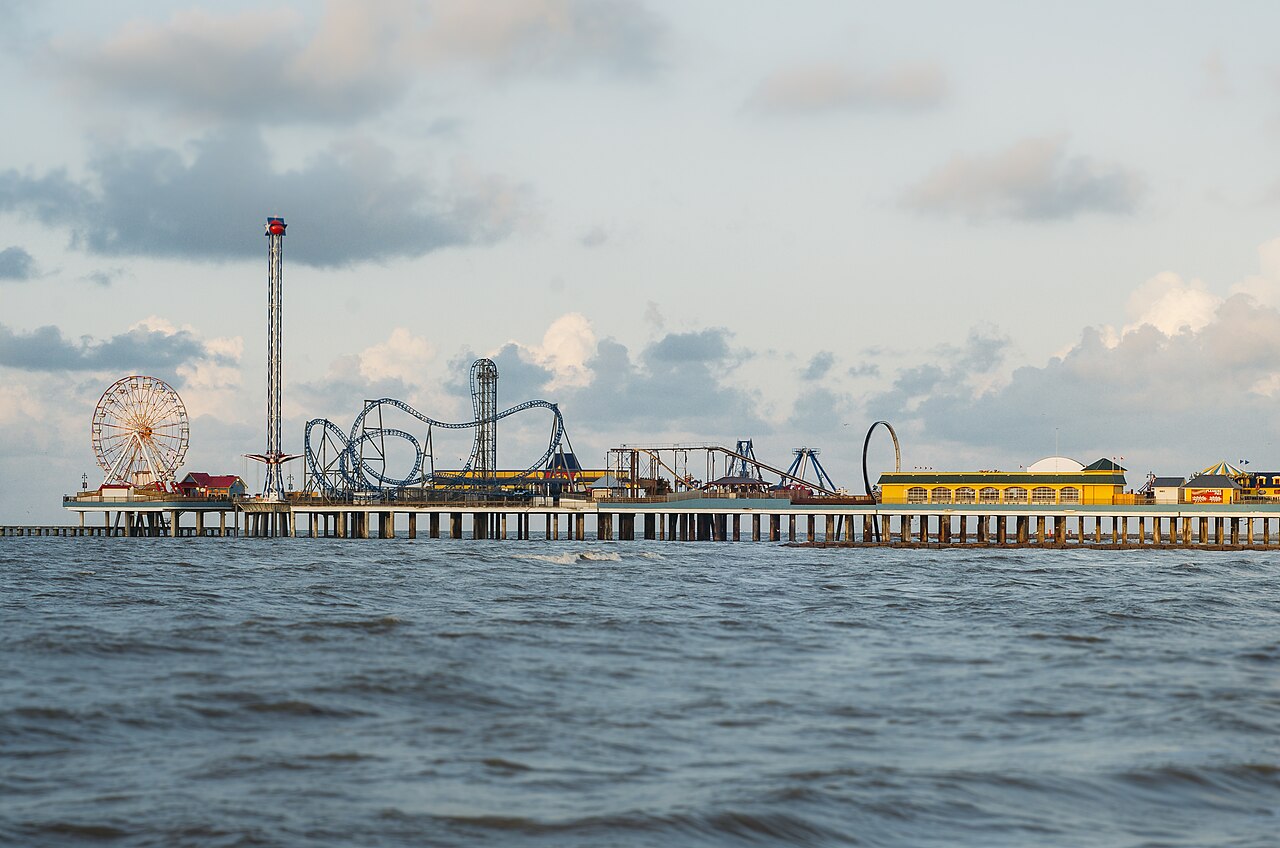
🏖️ Galveston Island (~1 hr) — Head south to the Gulf of Mexico. Stroll the historic Victorian architecture of the Strand District, ride the rollercoaster at the Historic Pleasure Pier, or just relax on the 32 miles (51.5 km) of beaches.
🎢 Kemah Boardwalk (~40 mins) — Located right on Galveston Bay, it's a waterfront amusement park packed with rollercoasters, carnival games, and seafood restaurants.
Watch
Population: 2020 U.S. Census.
MobTreks · a stop on the Southern trek.
No living hamsters were harmed in the production of this work.