The trek continues to
San Antonio
The Alamo City — where Texas remembers its own beginning.
(2025 est.)
Founded in 1718 by a Spanish mission expedition, San Antonio is older than the United States itself, and it wears that age well. This is the city where Texas independence was written in blood at the Alamo, where five Spanish colonial missions still stand as a UNESCO World Heritage Site, and where a flood-control project turned into the state's most-visited attraction: the River Walk. Add a food culture that invented the puffy taco and perfected the breakfast taco, and a population that's grown about 9% since 2020 to pass 1.55 million — one of the fastest-growing of any big American city — and you get a place that feels less like a detour on the way to Austin and more like the actual heart of Texas.
Remember the Alamo
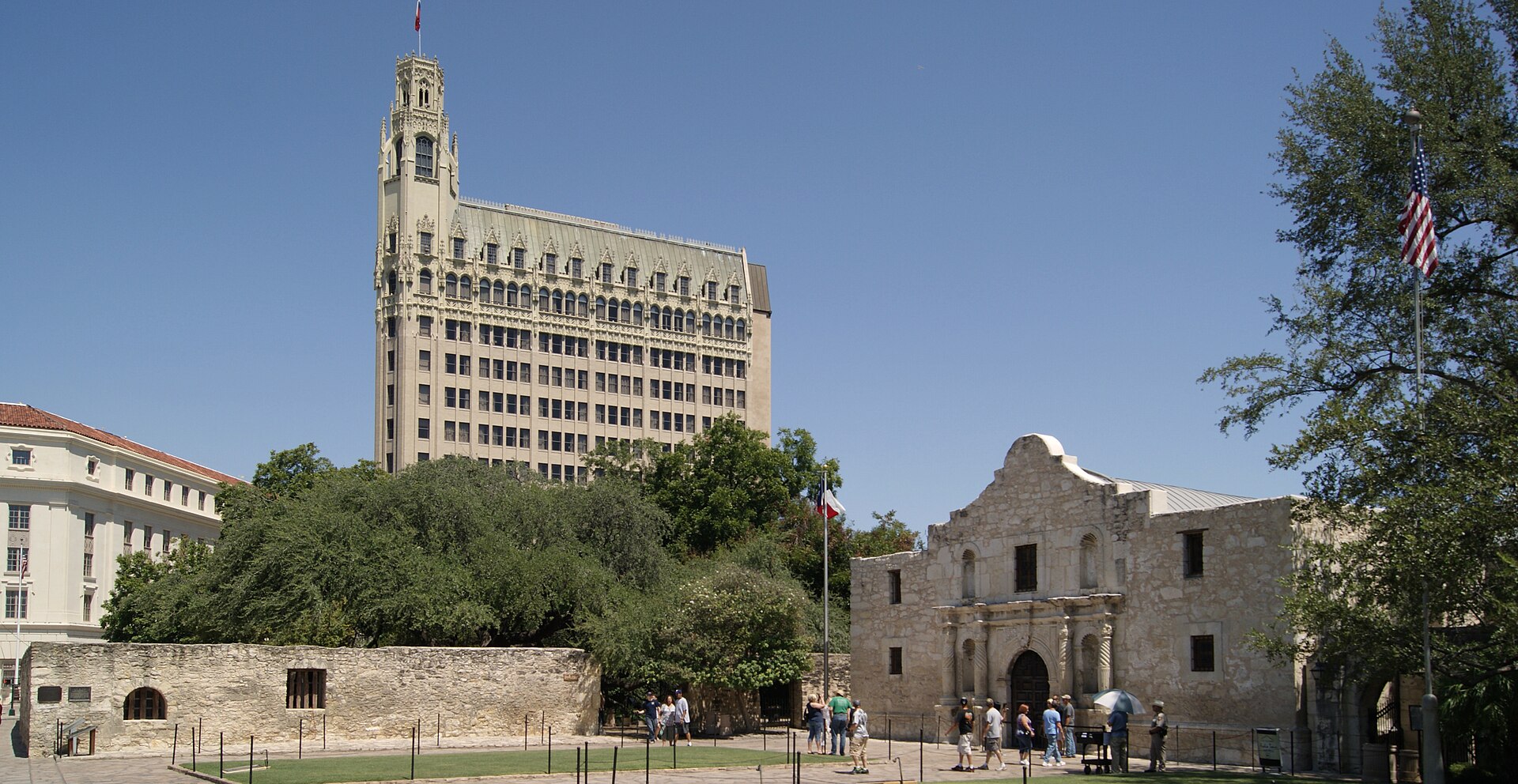
Mission San Antonio de Valero — The Alamo
Established in 1718 as Mission San Antonio de Valero, the compound that became famous as the Alamo spent over a century as a religious mission before a 13-day siege turned it into the most famous building in Texas.
From February 23 to March 6, 1836, roughly 200 Texian defenders — among them William B. Travis, Jim Bowie, and Davy Crockett — held the mission against General Santa Anna's far larger army. Nearly every defender was killed when the walls fell, but the delay bought Sam Houston's army the time it needed. Weeks later, Texian forces routed Santa Anna at the Battle of San Jacinto and won Texas its independence.
Today the Alamo sits in the middle of downtown, free to walk through, with the original mission church and Long Barrack still standing behind the famous facade.
Five Missions, One UNESCO World Heritage Site
.jpg)
San Antonio Missions National Historical Park
In 2015, the Alamo and four sister missions along the San Antonio River became the first and only UNESCO World Heritage Site in Texas, recognized for a nearly 300-year-old interweaving of Spanish and Coahuiltecan cultures.
The National Historical Park preserves the four southernmost missions, and each is worth the stop for a different reason. Mission Concepción, finished in 1755, is the best-preserved Spanish colonial mission in the country. Mission San José is the grandest, the "Queen of the Missions," and it holds the hand-carved Rose Window. At Mission San Juan Capistrano the 18th-century acequias — the Spanish irrigation canals — still water farmland today. Mission Espada, last in the chain, keeps the oldest Spanish aqueduct in the United States — and the only one still carrying water, as it has since the 1740s.
Paseo del Río — The River Walk
.jpg)
The River Walk
Built below street level following a catastrophic 1921 flood, architect Robert H.H. Hugman's plan turned a flood-control problem into a 15-mile (24.1 km) network of river-level walkways lined with cypress trees, restaurants, and stone bridges.
The walk splits into three very different stretches. The Downtown Reach is the loud one — the bar-and-bistro loop most visitors picture, patios stacked along both banks. The Museum Reach runs north from there, quieter and greener, past commissioned public art on its way to the San Antonio Museum of Art and, at its far end, the Pearl. The Mission Reach goes the other way: eight miles of restored riverbank heading south, with hike-and-bike trails and kayak put-ins that link Concepción, San José, San Juan, and Espada — you can paddle the mission trail.
Go early and the downtown stretch belongs to joggers and coffee. Come back after dark for mariachi, patio dinners, and the lit-up river barges.
The Pearl District
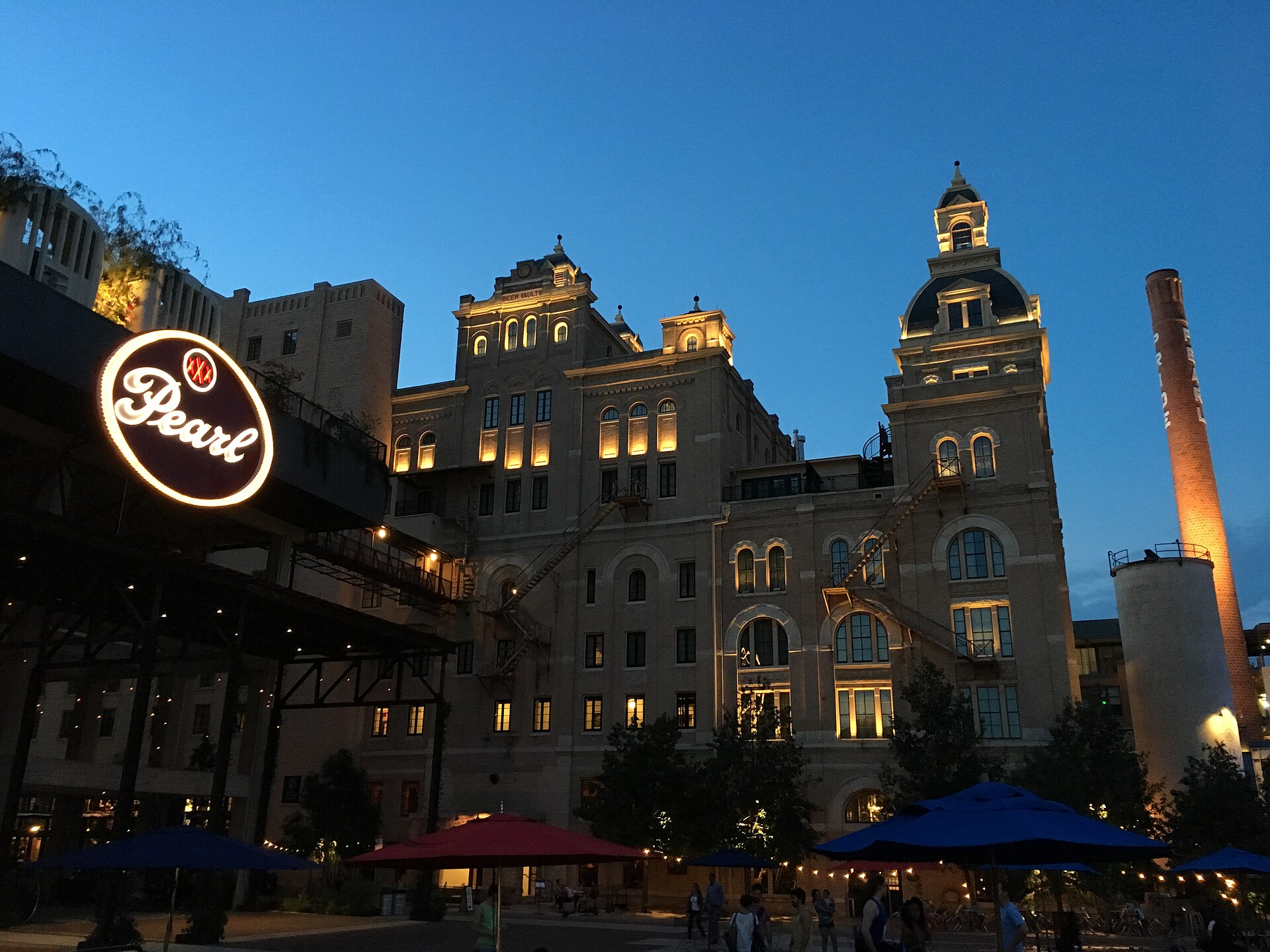
Hotel Emma & The Pearl
Founded in 1883, the Pearl Brewing Company ran for over a century on the river just north of downtown. Its most consequential boss arrived by way of a scandal: when president Otto Koehler was murdered in 1914 — shot by his mistress, in a love triangle the whole city read about — his widow Emma Koehler took over as president. Four years later Texas went dry and made her only product illegal. Rather than shut down, she put the plant to whatever was still legal and kept her workers on: near beer, soft drinks and ice cream, plus dry-cleaning and auto-repair businesses run out of the brewery's own garages. Hers was the only San Antonio brewery to come through Prohibition alive. Beer returned in 1933. Pearl brewed on until 2001.
The 22-acre site is now The Pearl, San Antonio's culinary anchor: a campus of the Culinary Institute of America, the Bottling Department food hall, a weekend farmers market, and chef-driven restaurants throughout. The brewhouse itself is now Hotel Emma, named for the woman who kept the lights on.
Market Square & Tejano Culture
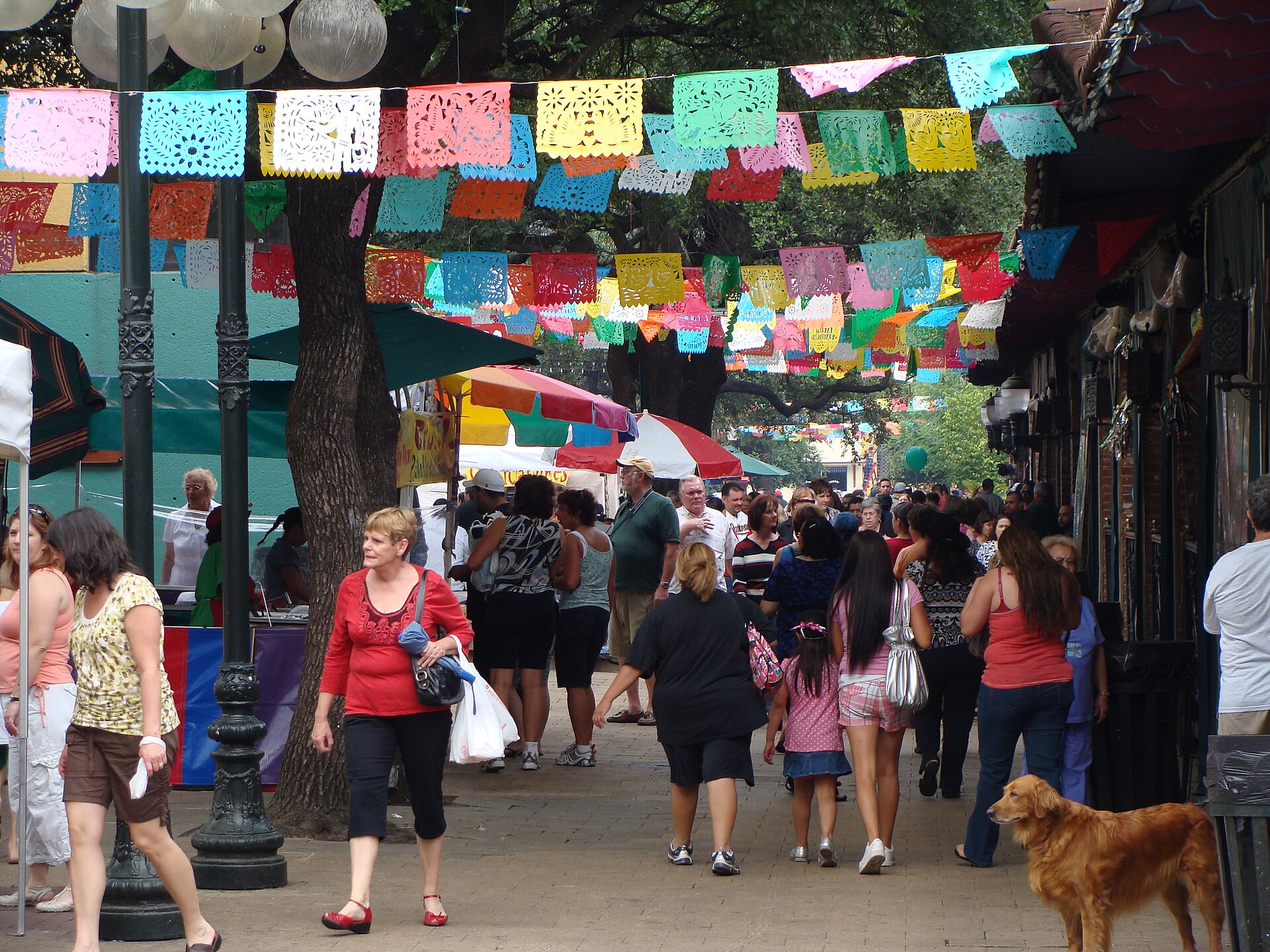
El Mercado
Known locally as El Mercado, this three-block plaza has been a center of commerce since the 1820s and is one of the largest Mexican markets in the United States. Live mariachi, folk dance, Talavera pottery, and handmade crafts fill the stalls.
It’s also where the Chili Queens held court. From the 1880s until the health department shut them down in 1937, these women worked the downtown plazas after dark from open-air stands. Serving bowls of chili and stacks of tortillas by lantern light to anyone with a nickel, the Queens are credited with putting San Antonio chili on the American map — and the city missed them enough that the mayor brought them back for a few years in 1939.
HemisFair & The Tower of the Americas
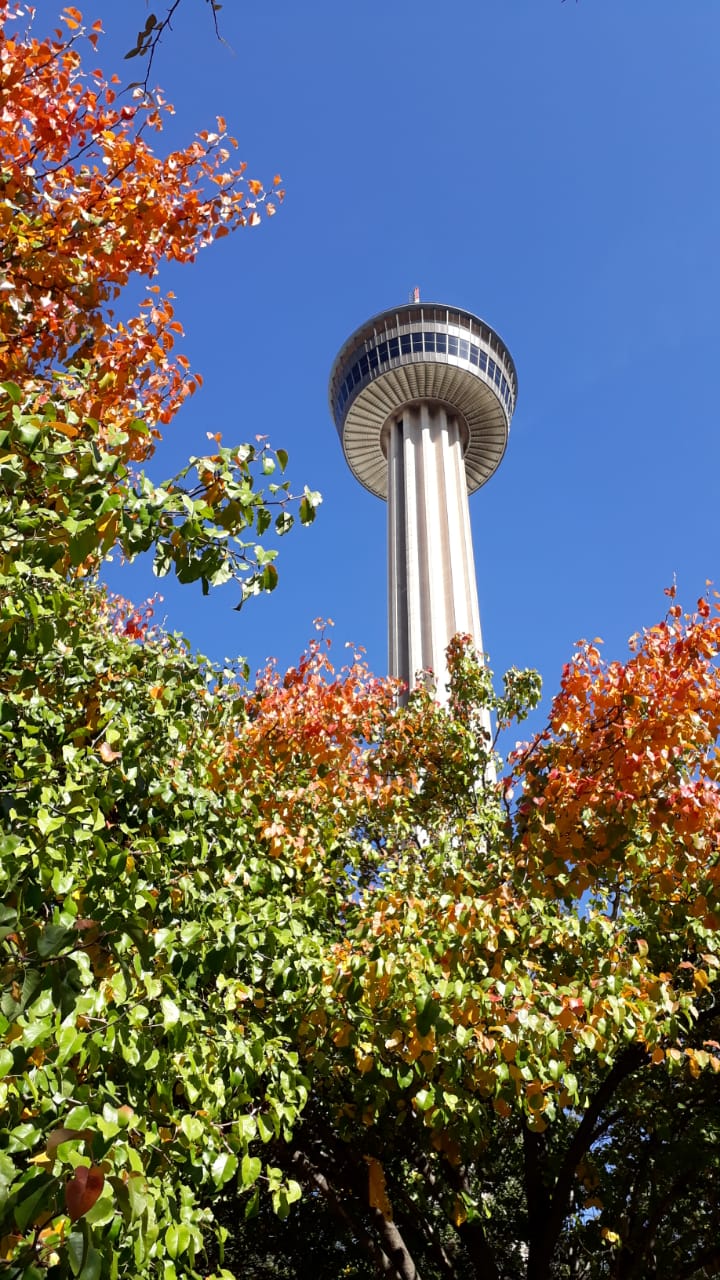
Tower of the Americas
Built for HemisFair '68, the World's Fair that marked San Antonio's 250th anniversary, the 750-foot (229 m) Tower of the Americas — taller than the Seattle Space Needle — still anchors the newly revitalized HemisFair park with a panoramic observation deck and a revolving restaurant.
Around its base, Yanaguana Garden packs in a splash pad and climbing structures for kids, while Civic Park hosts concerts and public events on the old fairgrounds.
Arts, Gardens & Historic Neighborhoods
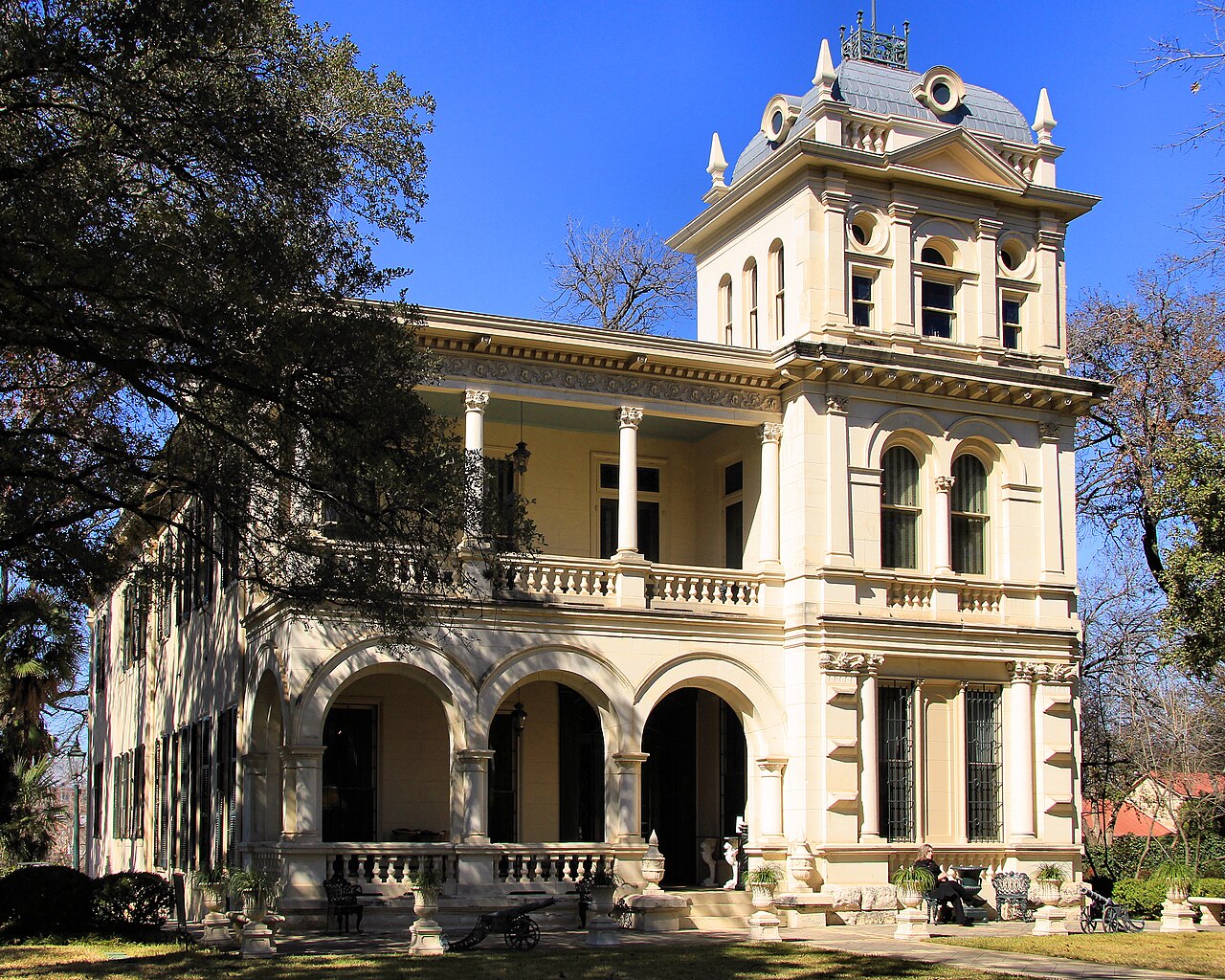
King William Historic District & Southtown
Situated just south of downtown along the River Walk, the King William Historic District is Texas's first designated historic neighborhood, established in the late 19th century by prominent German immigrants. Grand Victorian, Greek Revival, and Italianate mansions line streets shaded heavily enough to walk at noon in August.
Today, King William anchors Southtown — San Antonio's arts and culinary quarter, known for its independent galleries, monthly First Friday art walks, craft breweries, and farm-to-table dining.
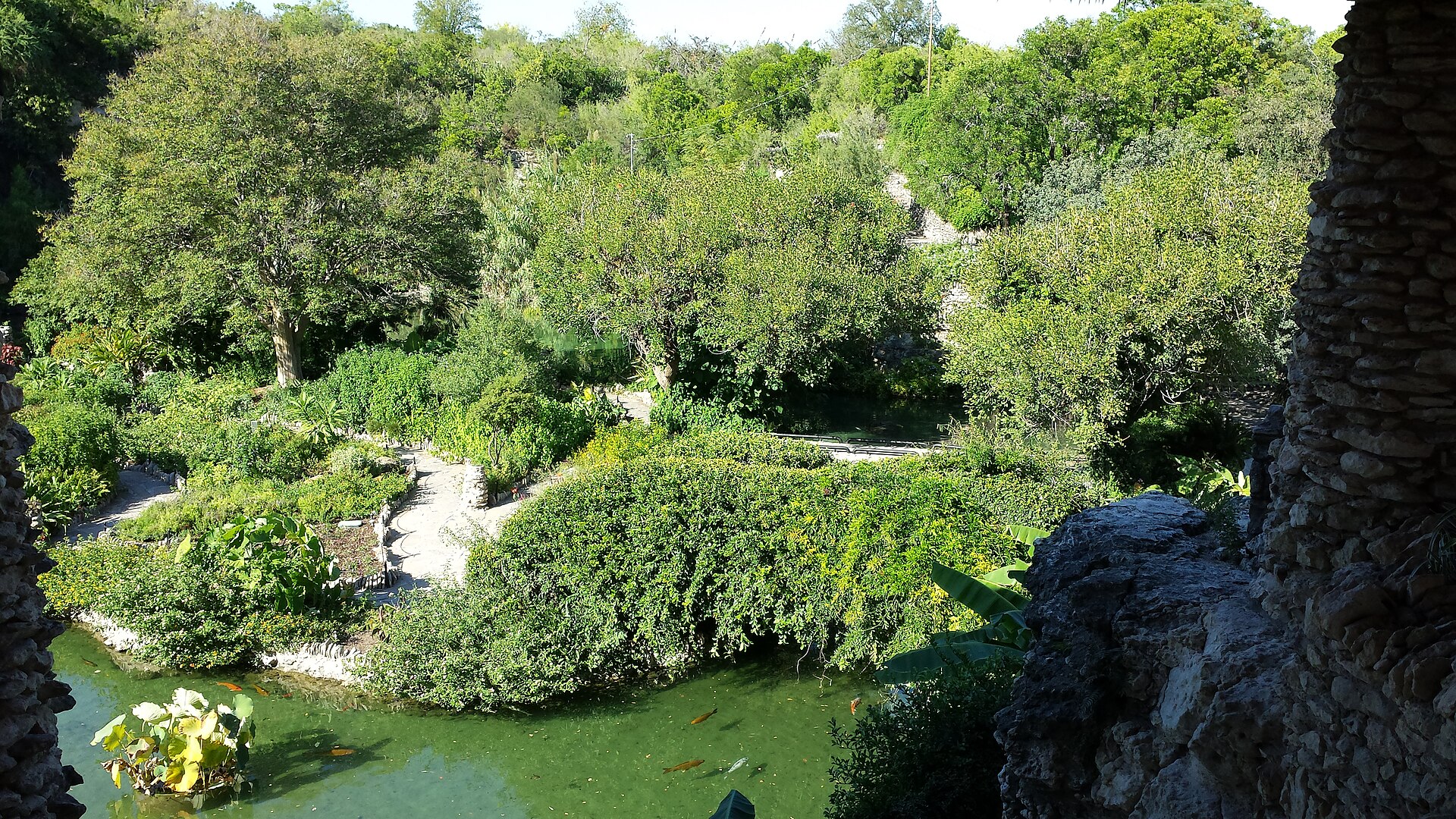
Japanese Tea Garden
The Japanese Tea Garden sits inside a worked-out limestone quarry in Brackenridge Park — in 1918 the city turned the pit into a garden rather than fill it in. Stone paths wind down past koi ponds and a 60-foot (18 m) waterfall that drops the length of the old quarry wall, and the whole thing is shaded enough to be bearable in August.
.jpg)
The McNay Art Museum
Opened in 1954 as Texas’s first museum of modern art, the McNay occupies a 24-room Spanish Colonial Revival mansion set in 25 acres of gardens and sculpture trails. It holds over 20,000 works, strongest in the post-Impressionists and early moderns — Picasso, Matisse, O'Keeffe — plus the Tobin Collection of Theatre Arts, ten thousand set designs, maquettes and costume drawings and two thousand rare books that make it one of the finest theatre collections in the country.
Theme Parks, Texas-Sized
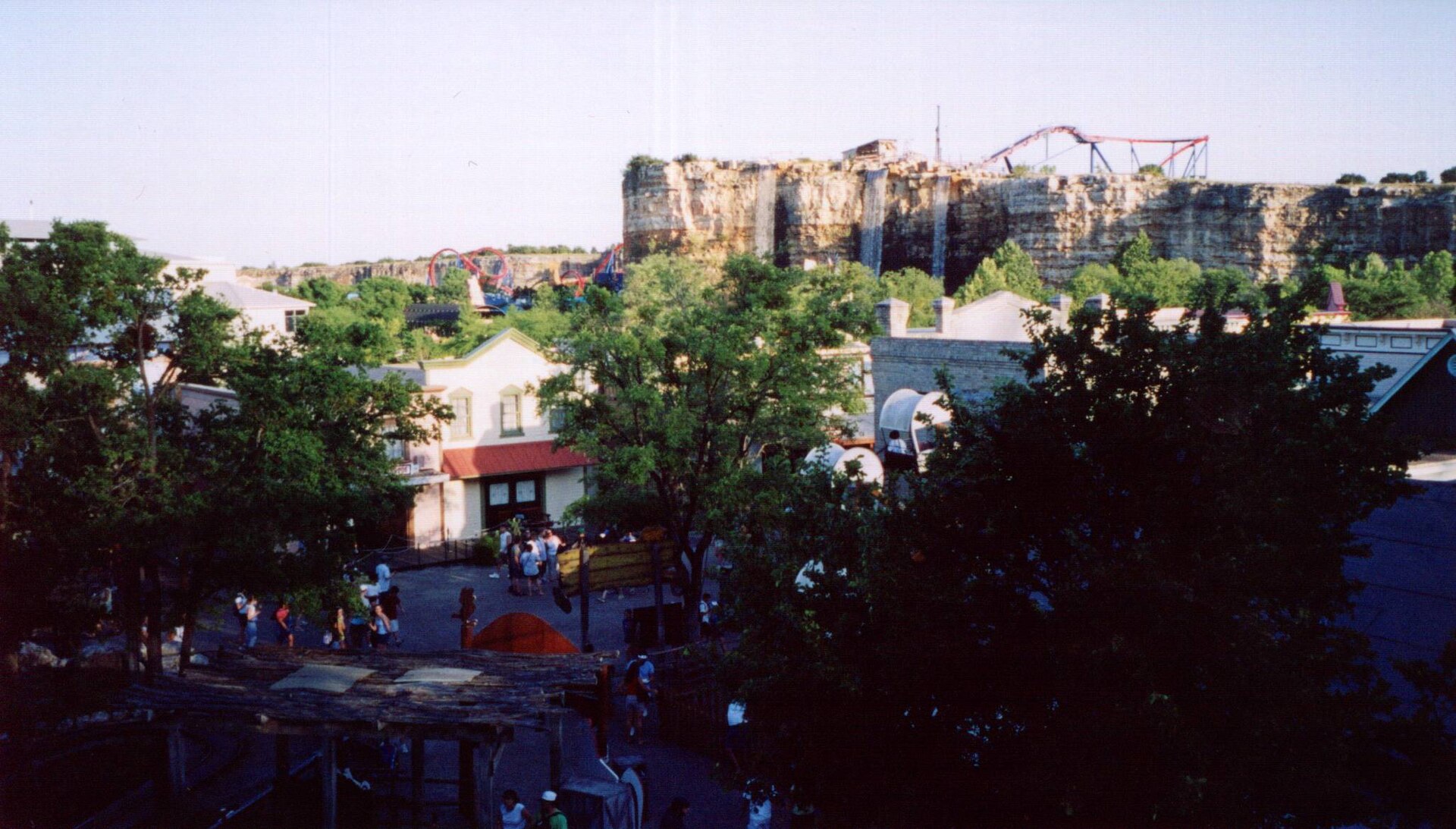
Six Flags Fiesta Texas & SeaWorld San Antonio
Built inside a former limestone quarry, Six Flags Fiesta Texas turns its dramatic cliff walls into a backdrop for coasters like the Iron Rattler, plus its own water park, Hurricane Harbor.
SeaWorld San Antonio is among the largest marine-life parks in the world, pairing animal encounters and thrill rides with its adjacent Aquatica water park.
A few miles across town, Morgan's Wonderland has nothing to do with either chain, and it's the one worth going out of your way to visit. The idea came from a hotel pool in 2006. San Antonio developer Gordon Hartman watched his daughter Morgan, born with cognitive and physical disabilities, tap a ball toward a group of children — her way of asking to play. They backed away. Hartman sold his companies and went all out.
The park opened in 2010 as the world's first ultra-accessible theme park: every ride, path, and attraction designed so visitors with disabilities ride alongside everyone else, wheelchairs and all. Guests with a disability get in free, and it's every bit as fun if you're not one.
Deep Texas Nature
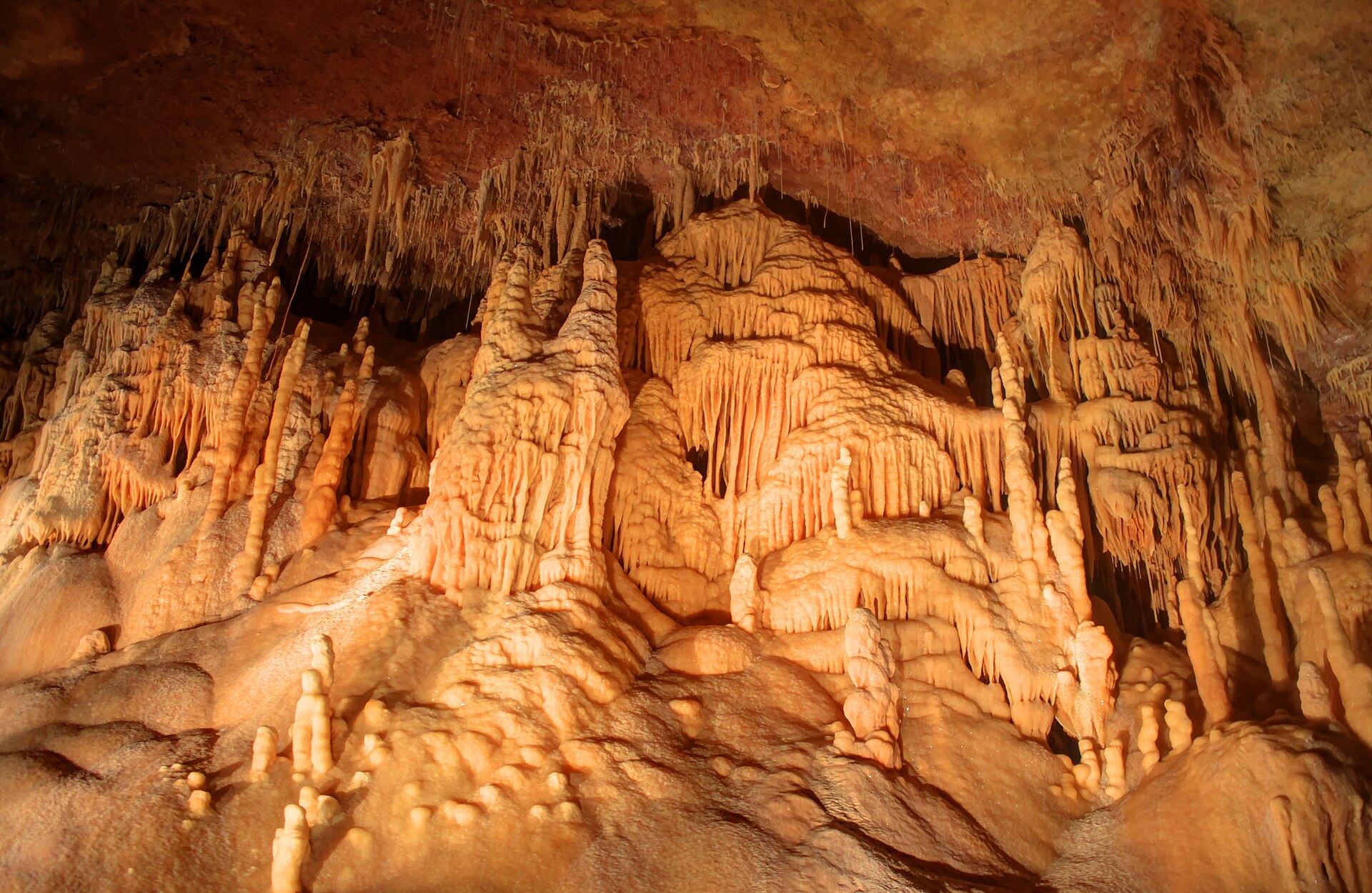
Natural Bridge Caverns
Discovered in 1960 beneath a 60-foot (18 m) natural limestone arch, Natural Bridge Caverns is the largest commercial cave system in Texas. Visitors can enjoy public tours on paved, illuminated walking paths equipped with handrails. Extending up to 180 feet (55 m) below the surface, this living subterranean wonderland features towering stalagmites and ancient flowstone formations that stay at a cool 70°F year-round.
Bracken Cave Preserve
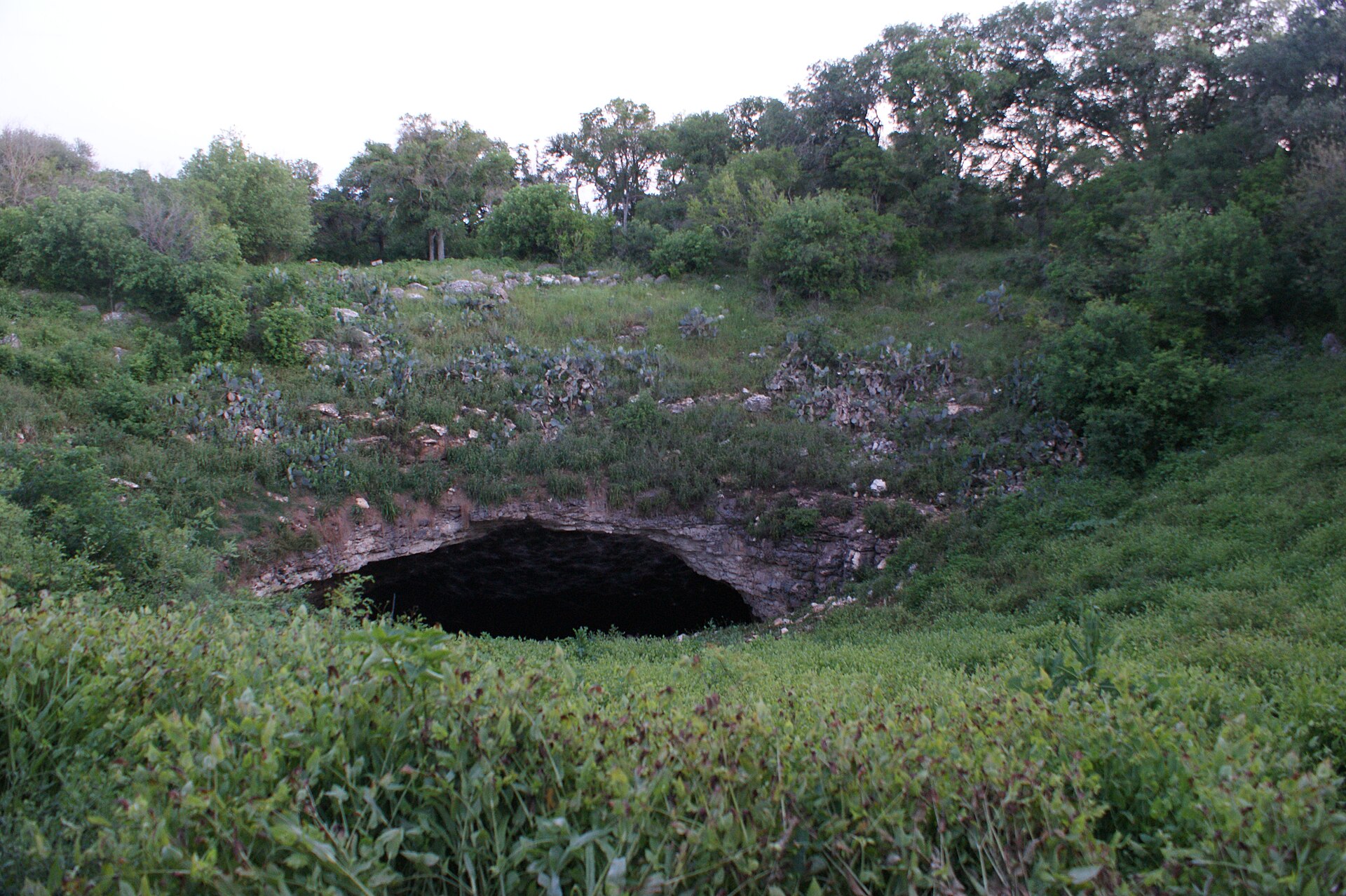
Bracken Cave is home to the largest concentration of mammals on Earth, hosting an astounding 15 to 20 million Mexican free-tailed bats every summer from March through October. At dusk, visitors with advance reservations can witness one of nature's greatest spectacles: a swirling "tornado" of millions of bats emerging from the sinkhole opening — a flight so massive it shows up on Doppler weather radar.
The Tex-Mex Capital
Puffy Tacos & Breakfast Tacos
San Antonio calls itself the capital of Tex-Mex, and it has the pedigree: the "combo plate" — an entrée served with rice and refried beans — was invented here, and so was the puffy taco, made by deep-frying fresh masa until it puffs up into a light, crispy shell. Ray's Drive Inn and Henry's Puffy Tacos are the places locals recommend you check out.
Breakfast tacos are a San Antonio daily ritual: a warm, handmade, flour tortilla wrapped around potato and eggs, beans and cheese, or weekend barbacoa. Pete's Tako House is a solid local pick to try them at.
Fiesta — Eleven Days Every April
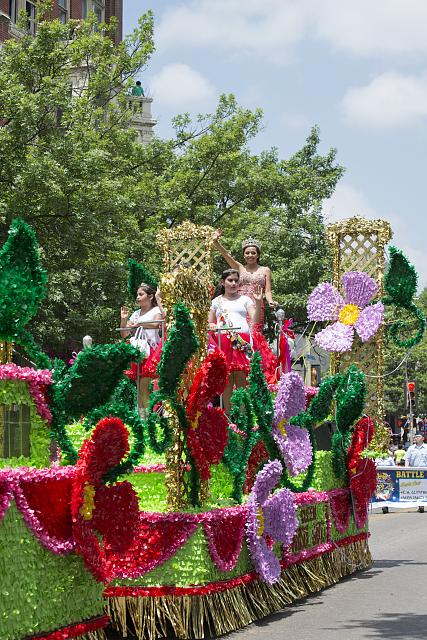
Fiesta San Antonio
Every April, San Antonio throws Texas's biggest party. Fiesta runs eleven days, and it started in 1891 as a single event — the Battle of Flowers Parade, staged by a group of local women to honor the dead of the Alamo and San Jacinto. It has since grown to more than a hundred: river parades, cascarones cracked over unsuspecting heads, live music on every stage in the city, and A Night in Old San Antonio, four nights of street food packed into La Villita.
The Battle of Flowers still opens the week, and the same all-volunteer women's association still runs it — making it the largest parade in the United States produced entirely by women. Dates move around from year to year, so check the Fiesta calendar before you book.
The Stock Show & Rodeo
San Antonio Stock Show & Rodeo
Every February the rodeo takes over the Frost Bank Center for about two and a half weeks — longer than Fiesta runs — and draws around 1.5 million people — a bigger total gate than the Calgary Stampede, which pulls comparable numbers into ten days rather than eighteen. San Antonio's claim is consistency: the PRCA has named it Large Indoor Rodeo of the Year more than a dozen times, in unbroken succession.
Bull riding and barrel racing happen inside the arena. Outside it, the grounds fill with a carnival and a livestock show. Most nights a name country act plays once the rodeo is done. Texas has a bigger one — Houston's is the largest livestock show and rodeo in the world — but San Antonio's is the one an NBA team packs its bags for.
The Spurs
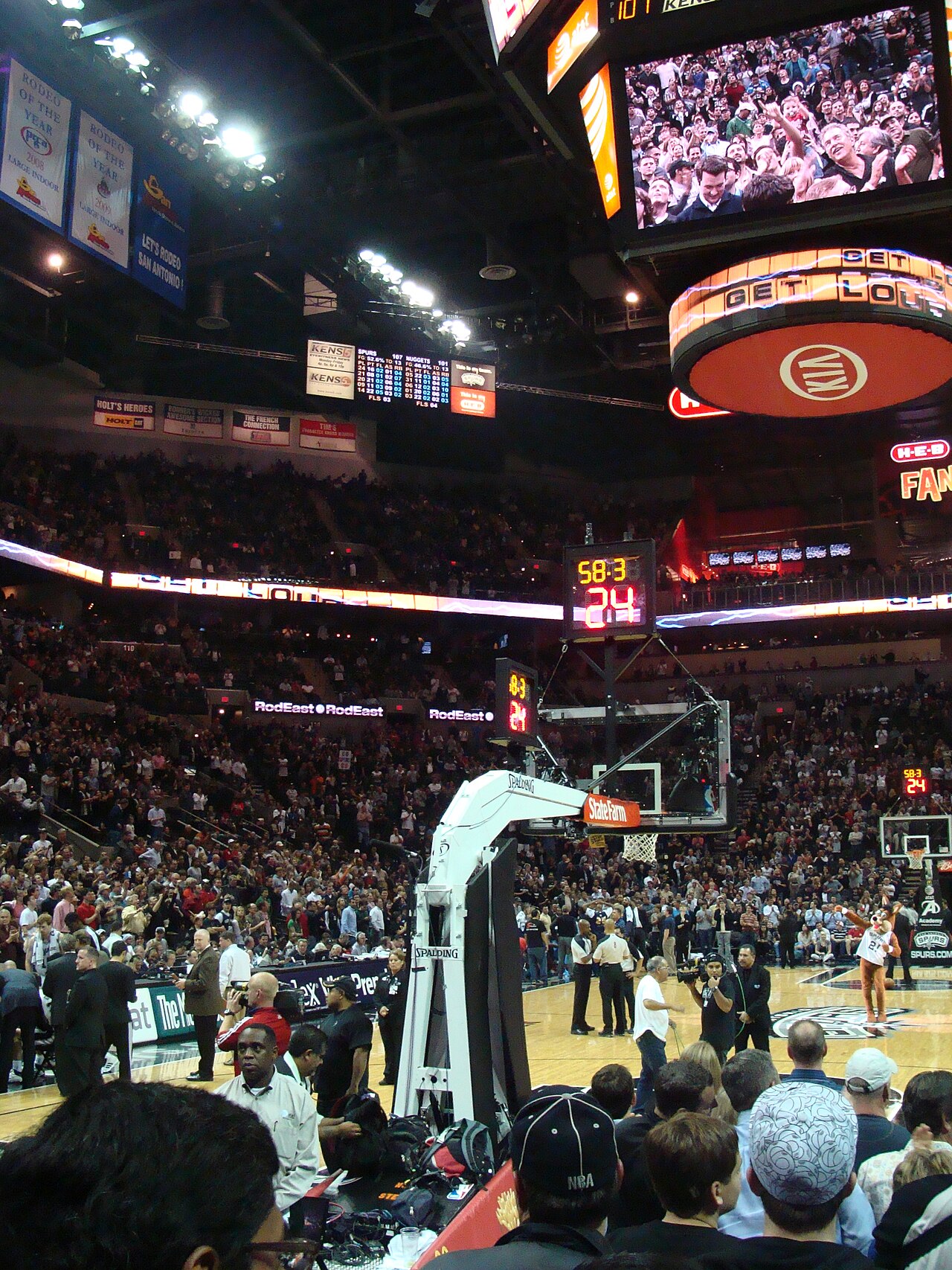
The San Antonio Spurs
The Spurs are San Antonio's one major-league team and one of the NBA's most successful franchises: five championships between 1999 and 2014, every one of them won by the same pairing — head coach Gregg Popovich and power forward Tim Duncan, together for nineteen seasons. In 2023 they used the first overall pick on Victor Wembanyama, a 7-foot (2 m)-4 French center who was named Rookie of the Year the following season.
Home games are at the Frost Bank Center, fifteen minutes east of downtown — except in February, when the rodeo has the building and the team plays three straight weeks on the road. They have called it the Rodeo Road Trip since 2003, and it has long been the longest annual road trip in the league.
Famous Natives
San Antonio has produced notable figures in the fields of literature, entertainment, and labor activism, including:
If you've got a spare day
.jpg)
🍷 Texas Hill Country — rolling hills just north of the city, known for a booming wine industry along the Fredericksburg Wine Road 290 and landscapes blanketed in colorful Texas bluebonnet wildflowers every spring.
🏞️ New Braunfels (~30 mi (48 km)) — deep German roots, summer tubing on the Comal and Guadalupe rivers, and the waterpark now branded Six Flags' Schlitterbahn New Braunfels.
🎸 Gruene — a historic district inside New Braunfels: antique shops, the Gristmill River Restaurant overlooking the Guadalupe, and Gruene Hall, the oldest continually operating dance hall in Texas — where George Strait got his start.
Watch
Population: U.S. Census Bureau (2020 census; 2025 estimate).
MobTreks · a stop on the Southern trek.
No living hamsters were harmed in the production of this work.